

Depression usually improves with medication and talking therapy, but a sizeable minority of people stay unwell after several properly tried antidepressants. Psychiatrists call that pattern treatment-resistant depression, and the label points to a different set of treatments rather than meaning that nothing works. The condition weighs on the person and on the family around them, often for years.
Treatment-resistant depression treatment in Switzerland starts once at least two antidepressants, each given at a proper dose for long enough, have failed. The main options are rTMS, ketamine-assisted therapy, electroconvulsive therapy and intensive psychotherapy, given in psychiatric hospitals and private residential clinics.
In an emergency: call 144 in Switzerland or 112 in the EU if a person is at risk of suicide or serious harm.
Families usually reach this point after months or years of tablets that did not work. The practical questions are which treatment comes next, how safe that treatment is, and whether a hospital or a private residence suits the person better.
A new approach often helps where earlier ones did not. Swiss options suit adults who have tried at least two antidepressants properly. A person who has not yet had a full trial of medication and therapy at home will usually start with a psychiatrist there.
What counts as treatment-resistant depression?
Treatment-resistant depression is depression that has not responded to at least two different antidepressants, each given at a proper dose for a proper length of time. Psychiatrists usually allow at least four to six weeks at a full dose before judging whether one medicine has worked.
Many people labelled as treatment-resistant have a problem that blocks recovery rather than depression that cannot respond. A psychiatrist checks for those problems before moving to stronger treatments.
- Diagnosis: possible bipolar disorder, which needs different medicines
- Adherence: whether the tablets were taken daily as prescribed
- Alcohol and drugs: regular use that keeps mood low
- Physical causes: thyroid problems, sleep disorders or other medical illness
- Ongoing stress: trauma, burnout or a situation that has not changed
Heavy drinking is one of the most common reasons antidepressants seem to fail. When drinking or drug use and depression sit together, dual diagnosis treatment treats both at once.
Which treatments work when antidepressants have not?
Four main options follow failed antidepressants, and a psychiatrist chooses between them based on severity, risk and the person's history. The table gives the core facts, and the sections after it explain each option in plain words.
| Treatment | What happens | Typical course | Main side effects |
|---|---|---|---|
| rTMS | A magnetic coil on the scalp stimulates a mood area of the brain, with no anaesthesia | Sessions on weekdays for about 4 to 6 weeks | Headache, scalp discomfort, rare seizures |
| Ketamine | A low dose given by drip or nasal spray under medical monitoring | Repeated sessions over several weeks | Feeling detached, raised blood pressure, nausea |
| ECT | A brief electrical current under general anaesthesia | Usually 2 to 3 sessions a week, often 6 to 12 in total | Confusion after sessions, memory gaps |
| Psychotherapy | Structured talking therapy such as CBT | Weekly, or daily in a residential stay | Emotional strain during hard sessions |
rTMS
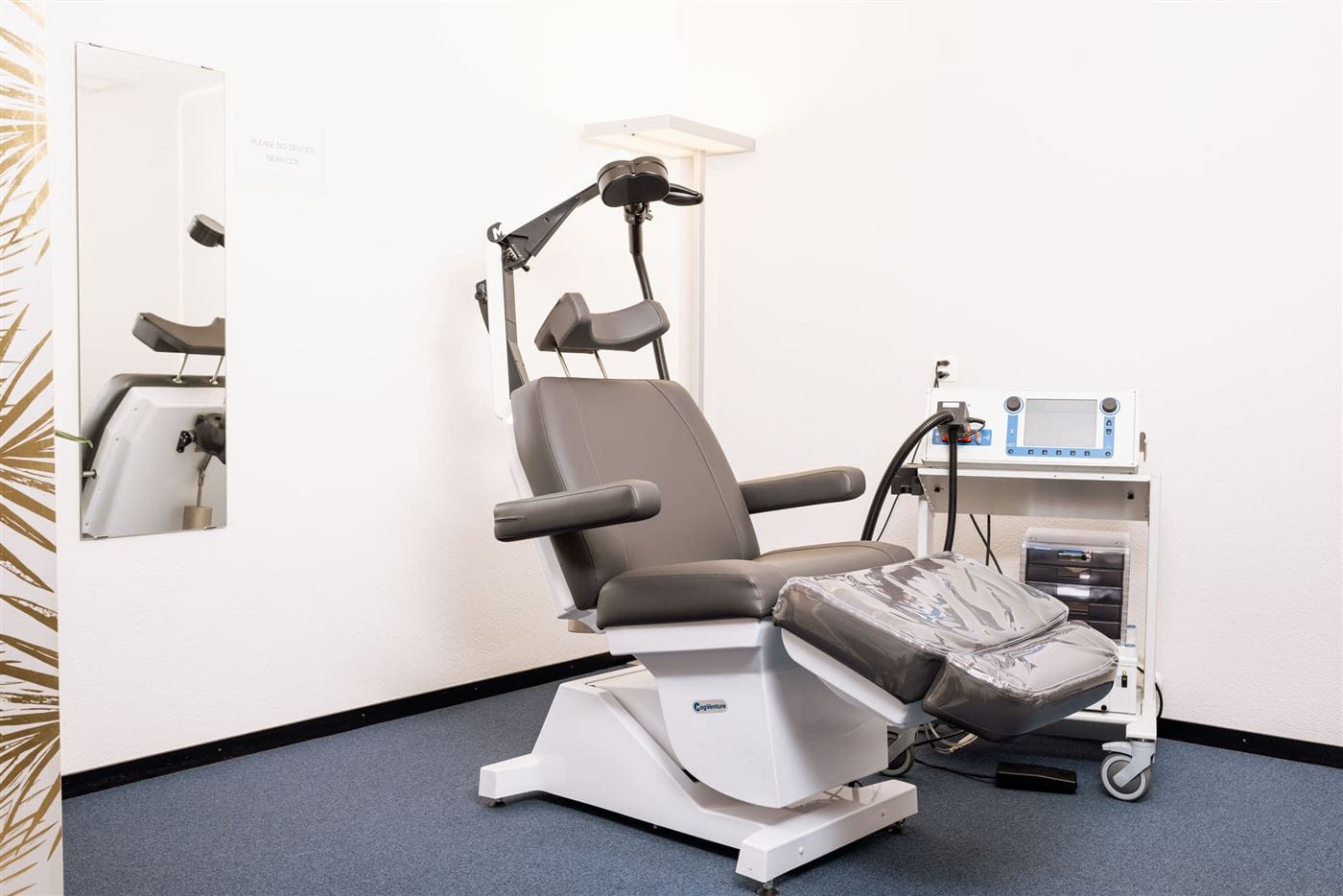
rTMS, a magnetic stimulation treatment for depression, sends short magnetic pulses through the scalp to the front of the brain. The person stays awake, sits in a chair and goes back to normal activity after each session.
Magnetic stimulation suits people who want to avoid anaesthesia or have struggled with medication side effects. The main limit is time, because a full course needs near-daily visits for several weeks.
Ketamine-assisted therapy
Ketamine-assisted therapy uses a low dose of ketamine, an anaesthetic, to lift mood quickly, sometimes within hours. The benefit of a single dose fades within days, so treatment runs as a course, often combined with psychotherapy.
Ketamine can be misused, so a person with a history of drug or alcohol problems needs careful screening and close supervision. Esketamine, a nasal spray form, is licensed for treatment-resistant depression in many countries.
Electroconvulsive therapy
Electroconvulsive therapy, or ECT, passes a brief electrical current through the brain while the person is under general anaesthesia and a muscle relaxant. ECT is the most effective treatment for severe depression, especially when the person has psychotic symptoms, stops eating or is at high risk.
Memory problems are the main drawback of ECT. Most short-term confusion clears within weeks to months, though some people report lasting gaps around the treatment period.
Psychotherapy and medication review
Psychotherapy remains part of every plan, because physical treatments work better when a person also learns new ways of thinking and coping. A psychiatrist also reviews medicines, which may mean switching, combining or adding a second medicine such as lithium.
Should treatment happen in a hospital or a private residence?
A hospital suits severe or high-risk depression, and a private residence suits a person who is stable enough for a slower, more private stay. The choice of setting follows the level of risk first and comfort second.
| Setting | What it offers | Main limit |
|---|---|---|
| Psychiatric hospital | Full medical team, protected ward, and often ECT and rTMS on site | Less privacy, and often German as the main language |
| Small-group clinic | A residential programme for a few clients, with brain stimulation and daily therapy | Other clients share the stay, and high risk needs a hospital |
| Single-client clinic | A private residence with a team built around one person | Highest weekly cost, and ECT usually needs a hospital |
Swiss psychiatric hospitals usually admit through a referral from a GP or another doctor, and many run a private ward for self-paying patients. Private residential clinics accept direct enquiries from patients and families.
Which Swiss clinics offer rTMS and ketamine-assisted therapy?
Four clinics in the guide offer at least one of these treatments, one as a psychiatric hospital and three as private residential clinics. The table sets out the options, stay, language and price at each.
| Clinic | Options for resistant depression | Stay | Language | Price |
|---|---|---|---|---|
| Privatklinik Meiringen | rTMS, ECT, ketamine, tDCS | 4 to 6 weeks | German | Quoted individually |
| Paracelsus Recovery | Ketamine-assisted psychotherapy, psilocybin in authorised cases | 4 weeks | English, Arabic and 4 more | From CHF 110,000 a week |
| Neoviva | rTMS, tDCS | 6 weeks | English, Russian | CHF 35,350 a week |
| The Kusnacht Practice | rTMS, neurofeedback | 6 to 12 weeks | English, German, French, Arabic | From CHF 117,300 a week |
Privatklinik Meiringen is a psychiatric hospital in the Bernese Oberland. Its private centre, Des Alpes Privé, gives priority access to interventional treatments and admits through a referral from a GP or trusted doctor.
Paracelsus Recovery treats one client at a time in a private penthouse in Zurich. Psilocybin-assisted therapy is possible there only in selected cases with individual approval from the Swiss authorities.
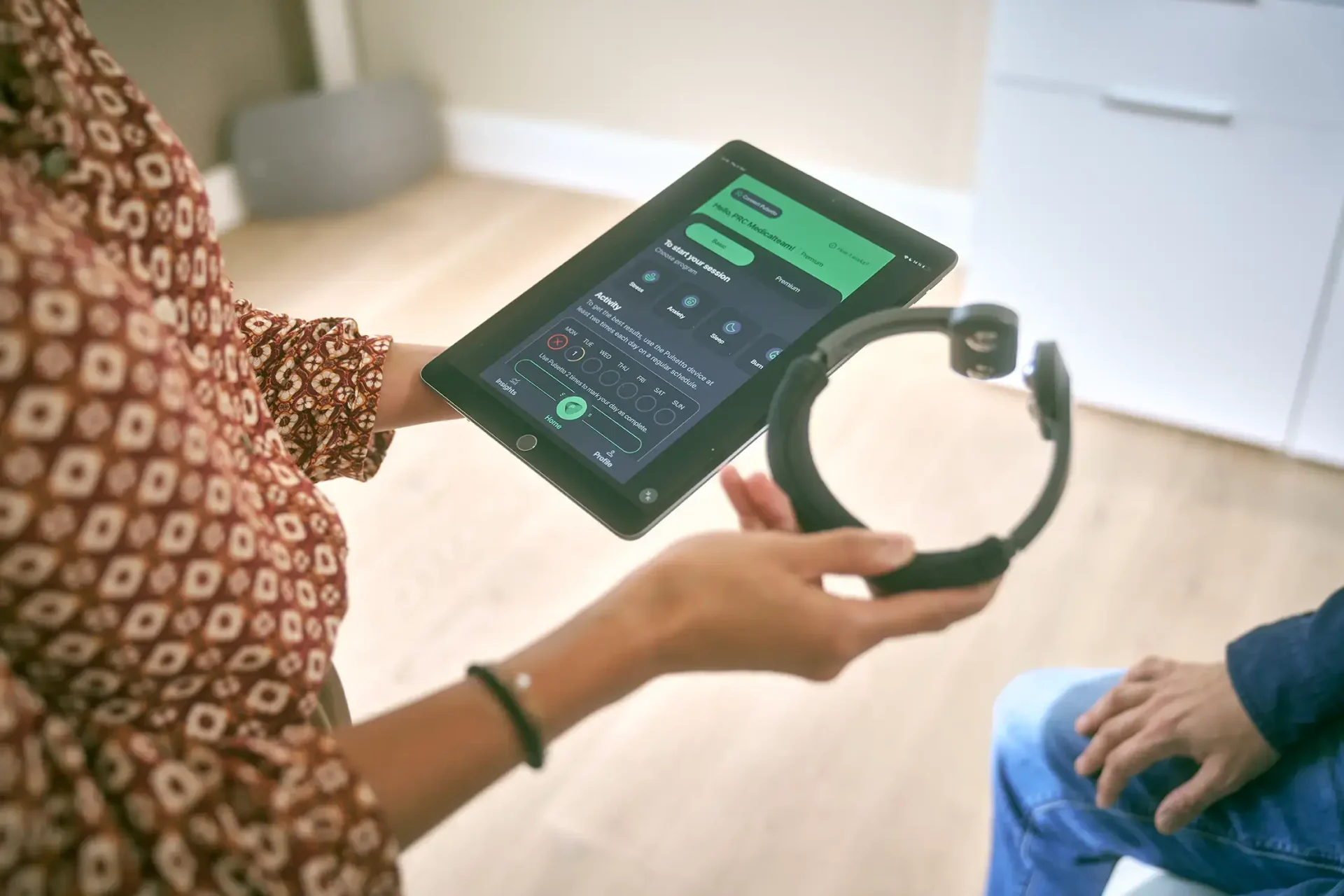
Neoviva runs rTMS on site with a MagPro RX30 system inside a six-week programme on Lake Lucerne, alongside psychotherapy and group work.
The Kusnacht Practice offers rTMS and neurofeedback in a private villa and avoids prescription medication where it can. Calda Clinic takes a similar medication-sparing approach, with neurofeedback and metabolic psychiatry.
Frequently asked questions about treatment-resistant depression
Families often have the same practical questions once a psychiatrist raises these treatments.
Is rTMS painful?
No, rTMS is not usually painful, although many people feel a tapping on the scalp and some get a headache afterwards. A person having rTMS stays awake, needs no anaesthesia and can return to normal activities straight after each session.
Is ketamine safe for a person with a history of addiction?
Sometimes, but ketamine for a person with a history of addiction needs careful assessment, because ketamine itself can be misused. A psychiatrist weighs that risk against the expected benefit, and every session takes place under medical supervision.
Does ECT cause memory loss?
Yes, ECT can cause memory problems, mostly confusion after sessions and gaps around the weeks of treatment. Most memory problems from ECT improve within weeks to months after the course ends, though some people report longer gaps.
Can a person keep taking antidepressants during rTMS?
Yes, rTMS is usually given alongside existing antidepressants, and the psychiatrist reviews every medicine before the course starts. Some medicines that make seizures more likely need a dose check before rTMS begins.
Which option fits your situation?
The right treatment-resistant depression treatment in Switzerland depends on how severe the depression is, what has already been tried and whether alcohol or drugs are involved.
- Suicidal thoughts, not eating or severe risk: a psychiatric hospital with ECT and a protected ward
- Stable, with several failed medicines: rTMS in a small-group or single-client programme
- Wish for ketamine within a private stay: a single-client clinic, after full screening
- Depression alongside drinking or drug use: an addiction clinic with psychiatric care
- Need for privacy and English-language care: a single-client private clinic
Privatklinik Meiringen is the hospital option in the guide, and all seven clinics appear side by side on the rehab clinics page. Addiction Rehab Switzerland can arrange an online consultation with a clinic psychiatrist before anyone travels, through the contact page.
Sources
- Privatklinik Meiringen, official website (privatklinik-meiringen.ch)
- Paracelsus Recovery, official website (paracelsus-recovery.com)
- Neoviva, official website (neoviva.com)
- The Kusnacht Practice, official website (kusnachtpractice.com)
- Calda Clinic, official website (caldaclinic.com)
- NICE guideline, Depression in adults: treatment and management
- NICE interventional procedures guidance, Repetitive transcranial magnetic stimulation for depression
- Swiss Federal Office of Public Health