Packing for a residential stay differs from packing for a holiday, because the bag has to last several weeks in one place and support treatment rather than distract from it. Clinics restrict some everyday items, and doctors need full records of every current medicine. Careful packing spares patients and families avoidable stress in the first days after arrival.
What to pack for rehab in Switzerland comes down to travel documents, medication with its records, comfortable clothes in layers for the season and a few personal items. Each clinic sends its own list before admission, and that list always takes priority over any general checklist.
Swiss weather changes quickly between lake towns and mountain villages, so one bag has to handle warm days, cold evenings and rain. Residential stays usually run from 28 days to about 12 weeks, which makes light and washable clothes sensible.
The checklists suit anyone travelling to a residential clinic in Switzerland, and the relative who helps them pack. Rules on phones, laptops, visitors and banned items differ from clinic to clinic, so confirm those points with admissions before you travel.
Which documents should you bring?
You should bring a valid passport or ID, any visa you need, your insurance details and the clinic's admission paperwork. Documents are the part of what to pack for rehab that is hardest to replace abroad. Keep paper copies in your hand luggage as well as digital copies on your phone.
| Document | Why it matters |
|---|---|
| Passport or national ID | Identity checks at the border and at admission |
| Visa, if your nationality needs one | Entry to Switzerland and the Schengen area |
| Clinic confirmation and treatment agreement | Proof of the booking and the agreed programme |
| Health insurance card or policy details | Cover for care outside the programme |
| Proof of payment or deposit | Required by clinics that ask for pre-payment |
| Emergency contacts on paper | A backup if your phone is flat or switched off |
| Bank card and some Swiss francs | Small purchases and local transport |
Visa rules depend on nationality, and the Addiction Rehab Switzerland team supports visa applications without organising them on the client's behalf. Families travelling from the Gulf will find the details in rehab in Switzerland for Gulf families.
How should you pack medication and medical records?
Pack every current medicine in its original box with a doctor's letter, plus a printed list of doses and your recent medical records. The admitting doctor reviews each medicine on arrival and decides what continues.
- Medicines in original packaging, enough for the trip
- A doctor's letter listing each medicine and dose
- Recent blood tests, scans and discharge letters
- Notes on past withdrawal symptoms or seizures
- Allergy details and a vaccination record
- Glasses, contact lenses, hearing aids and their chargers
Controlled medicines such as strong painkillers, sleeping tablets or ADHD medication may need a prescription or a Schengen certificate at the border, so ask the prescribing doctor before travel. Never stop a prescribed medicine, a benzodiazepine or heavy drinking suddenly before the trip, because sudden withdrawal can be dangerous.
Withdrawal needs a medical plan from the first day, and detox on site or at a hospital explains the two main settings.
What is the weather like in Switzerland through the year?
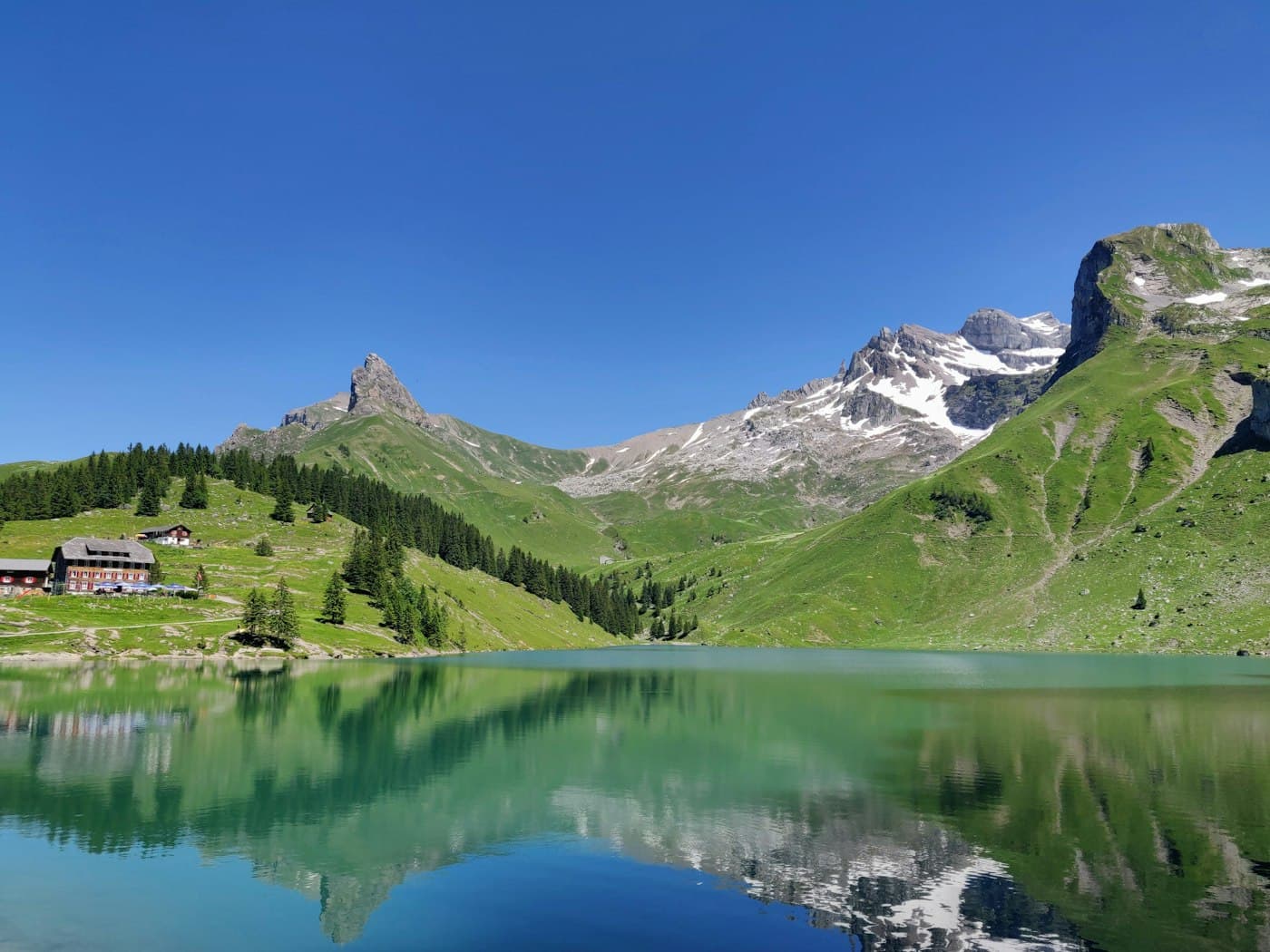
Swiss weather runs from warm summers in the lake towns to winters near or below freezing, with colder air and more snow higher up. Residential clinics sit at very different heights, from the shores of Lake Zurich and Lake Lucerne to villages high above Lake Geneva and in the Bernese Oberland.
| Season | Lake towns (Lake Zurich, Lake Lucerne) | Higher villages (above Montreux, Bernese Oberland) |
|---|---|---|
| Spring (March to May) | Mild days, cool nights, frequent rain | Cold mornings, snow possible into April |
| Summer (June to August) | Warm to hot days, summer thunderstorms | Warm days, fresh evenings |
| Autumn (September to November) | Mild then cool, fog over the lakes | Early frost, first snow possible in November |
| Winter (December to February) | Around freezing, grey skies, some snow | Regular snow and icy paths |
Mountain weather can turn within an hour, even in summer. A light waterproof layer earns its place in the bag in every season.
What to pack for rehab in each season
Clothes in layers work in every season, because rooms are warm, mornings are cold and many programmes include time outdoors. Comfort matters more than style, with one smarter outfit for dinners or outings.
| Season | Clothing to pack |
|---|---|
| All seasons | Comfortable day clothes, one smarter outfit, sleepwear, slippers, sportswear, swimwear, walking shoes |
| Spring | Light jumper, waterproof jacket, compact umbrella, light scarf |
| Summer | T-shirts, light trousers, sun hat, sunglasses, sun cream, a warm layer for evenings |
| Autumn | Warm jumper, waterproof jacket, closed shoes with grip |
| Winter | Warm coat, hat, gloves, scarf, thermal layers, boots with a good sole |
Programme activities shape the list too. Yoga and fitness sessions call for sportswear, equine therapy calls for sturdy shoes, and a pool or sauna calls for swimwear.
Which comfort items help during a long stay?
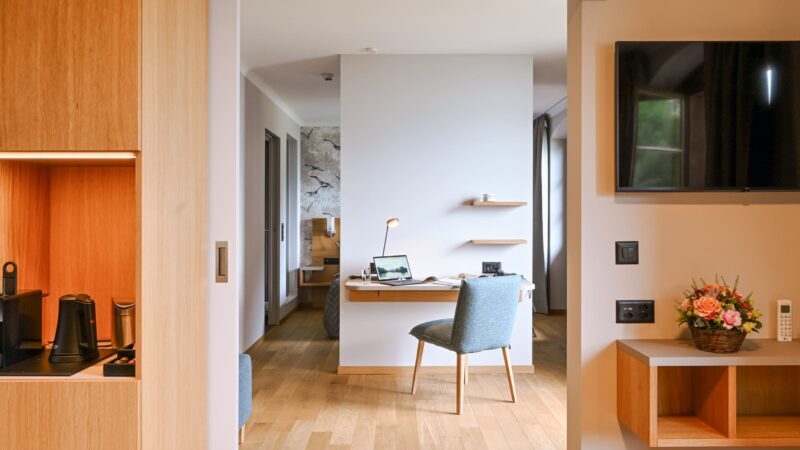
Small comfort items help a long stay feel less strange, from family photos to a book you have meant to read for months. Familiar objects make the first nights in a new room easier.
- Family photos and a few personal keepsakes
- Books, a journal and pens
- Earplugs and an eye mask for sleep
- Your own pillowcase or a small blanket
- Alcohol-free toiletries for the whole stay
- A notebook for therapy tasks and reflections
What should you leave at home?
Leave alcohol, drugs, products that contain alcohol and anything on the clinic's banned list at home. Each clinic sets its own list, so check that list before you pack rather than after you arrive.
| Item | Reason to leave it |
|---|---|
| Alcohol and drugs in any form | A direct risk to treatment |
| Mouthwash, perfume or hand gel containing alcohol | Hidden alcohol that clinic lists often name |
| Non-prescribed medicines and supplements | Unknown interactions with treatment |
| Sharp tools, lighters and fuel | Safety in a healthcare setting |
| Valuables and large sums of cash | Risk of loss over several weeks |
| Work files and a second phone | Distraction from treatment, unless agreed in advance |
Phones and laptops vary most between clinics. Some single-client clinics offer private office space for agreed work, while other clinics limit devices, so confirm the rules with admissions.
What do Swiss clinics ask you to bring?
Swiss private clinics each send their own packing list before admission, and the clinic profiles at Swiss rehab clinics show what each programme includes. A few clinic facts change what goes in the bag.
| Clinic | What to add or confirm |
|---|---|
| Clinic Les Alpes | Sportswear for yoga, sturdy shoes for equine therapy, swimwear for the medical spa pool |
| Neoviva | Proof of pre-payment, sportswear, sturdy shoes for equine therapy, swimwear for the outdoor pool and saunas |
| Paracelsus Recovery | Sportswear for yoga, an agreed work kit for the private office space and secure communications |
| The Kusnacht Practice | Proof of pre-payment, sportswear for yoga, an agreed work kit for the secure remote-office setup |
| Calda Clinic | Sportswear for yoga, sturdy shoes for equine therapy |
| Privatklinik Meiringen | Sturdy shoes for equine therapy |
Frequently asked questions about packing for rehab
Patients and relatives usually ask a handful of practical questions about what to pack for rehab in the week before travel.
How much luggage should you bring to rehab?
One large suitcase and a carry-on bag are usually enough luggage for a stay of 4 to 6 weeks. Layers, a few repeated outfits and washable fabrics keep the load light across changing Swiss weather.
Can you bring your phone to rehab in Switzerland?
Yes, usually, although phone rules differ between Swiss clinics and between stages of treatment. Some programmes limit phone use in the first days, so check the clinic's own policy before you travel.
Should you bring food or snacks?
No, food from home is rarely needed, because Swiss private clinics provide full meals and several have a private chef. Tell the admissions team about allergies, religious dietary needs or intolerances before arrival so the kitchen can plan.
What if you forget something important?
A forgotten item is rarely a problem, because family can post it or bring it on a visit, and towns near every clinic have shops and pharmacies. Forgotten medication is the exception, so tell the admitting doctor at once.
What should you pack for your own clinic?
What to pack for rehab depends on the clinic's own list, the season and the length of your stay.
- Summer stay by a lake: light layers, swimwear and a warm evening jumper
- Winter stay in the mountains: a warm coat, boots with grip and thermal layers
- Single-client clinic with office space: an agreed work kit and nothing more
- Small-group programme: comfortable clothes for sessions and outdoor activities
Before booking, ask admissions for the packing list, or send a question through the contact page.
Sources
- Clinic Les Alpes, official website (cliniclesalpes.com)
- Neoviva, official website (neoviva.com)
- Paracelsus Recovery, official website (paracelsus-recovery.com)
- The Kusnacht Practice, official website (kusnachtpractice.com)
- Calda Clinic, official website (caldaclinic.com)
- Privatklinik Meiringen, official website (privatklinik-meiringen.ch)
- State Secretariat for Migration (SEM)
- MeteoSwiss
- Swissmedic